AI News
AI Food-Tracking Apps Show Promise But Raise Accuracy and User Wellbeing Concerns
AI food-tracking apps using computer vision offer calorie counting and nutrition insights, but testing reveals significant accuracy gaps and potential psychological risks for users.
Source and methodology
This article is published by LLMBase as a sourced analysis of reporting or announcements from Wired .
Computer Vision Accuracy Remains Inconsistent
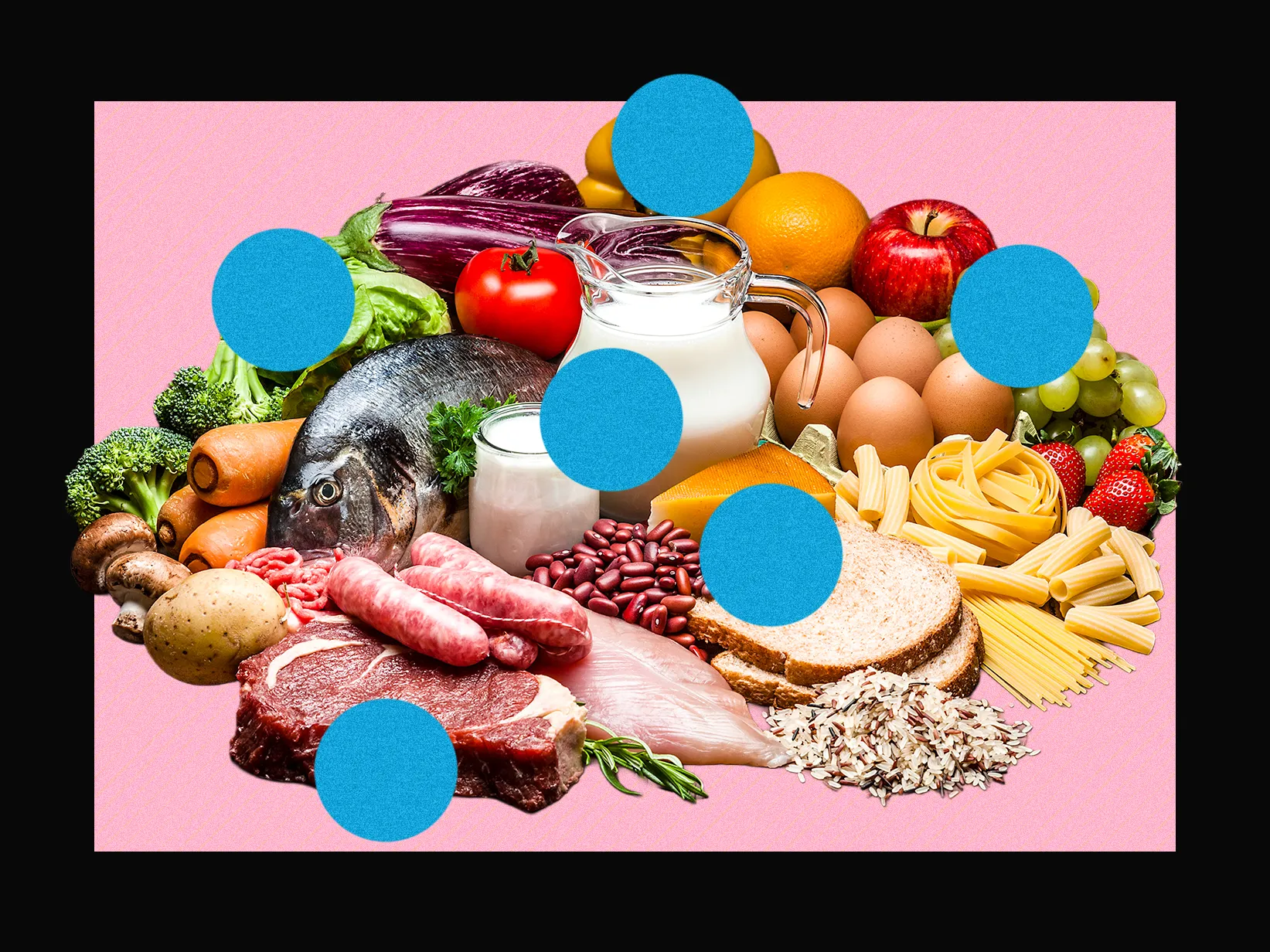
The computer vision features that allow users to photograph meals for automatic calorie calculation show concerning reliability issues. Testing revealed dramatic estimation differences between apps for identical meals - one Mediterranean bowl was calculated at 1,000 calories by one app while another produced significantly higher estimates, requiring manual correction.
This inconsistency stems from the fundamental challenge of visual food analysis. Computer vision systems must identify ingredients, estimate portions, and calculate nutritional content from a single image - a complex task even for trained nutritionists. The lack of standardization across platforms means users cannot rely on automated estimates without verification.
Subscription Models and Market Positioning
The food-tracking app market shows typical freemium patterns, with basic logging often free but advanced features requiring subscriptions ranging from €30-70 annually. This pricing structure reflects the computational costs of AI analysis and the competitive landscape for health monitoring applications.
For European users, the multilingual support and local food database coverage varies significantly between platforms. Enterprise wellness programs considering these tools should evaluate regional food recognition accuracy and GDPR compliance for health data processing.
User Psychology and Behavioral Risks
Nutrition specialists highlight concerning psychological patterns emerging from detailed food tracking. The gamification elements and precise calorie targets can trigger perfectionist behaviors and food-related anxiety, particularly among users prone to black-and-white thinking about diet choices.
Registered dietitians note that the apps' calorie recommendations, based on standard equations, cannot account for individual factors like hormones, genetics, or metabolic variations. This limitation becomes problematic when users treat app recommendations as definitive rather than approximate guidance.
Technical Infrastructure and Development Implications
The accuracy challenges reflect broader computer vision limitations in real-world applications. Food recognition requires extensive training datasets covering diverse cuisines, preparation methods, and portion sizes - particularly relevant for European markets with varied culinary traditions.
Developers building similar applications face trade-offs between automated convenience and accuracy. The current generation of AI food-tracking apps demonstrates that computer vision can provide useful estimates but requires human oversight for reliable results.
AI food-tracking apps represent an early application of computer vision in consumer health tech, but the accuracy and behavioral concerns suggest the technology needs refinement before reaching enterprise-grade reliability. Users should treat these tools as approximate guides rather than precise measurement systems.
Wired conducted the original testing and expert interviews for this analysis.
AI News Updates
Subscribe to our AI news digest
Weekly summaries of the latest AI news. Unsubscribe anytime.
More News
Other recent articles you might enjoy.


 Made in Europe
 Chat with 100+ AI Models in one App.
Use Claude, ChatGPT, Gemini alongside with EU-Hosted Models like Deepseek, GLM-5, Kimi K2.5 and many more.