AI News
AI Weather Apps Transform Forecasting with Storm Radar Launch
Weather Company's Storm Radar app introduces AI-powered forecasting features as machine learning transforms weather prediction across the industry.
Source and methodology
This article is published by LLMBase as a sourced analysis of reporting or announcements from Wired .
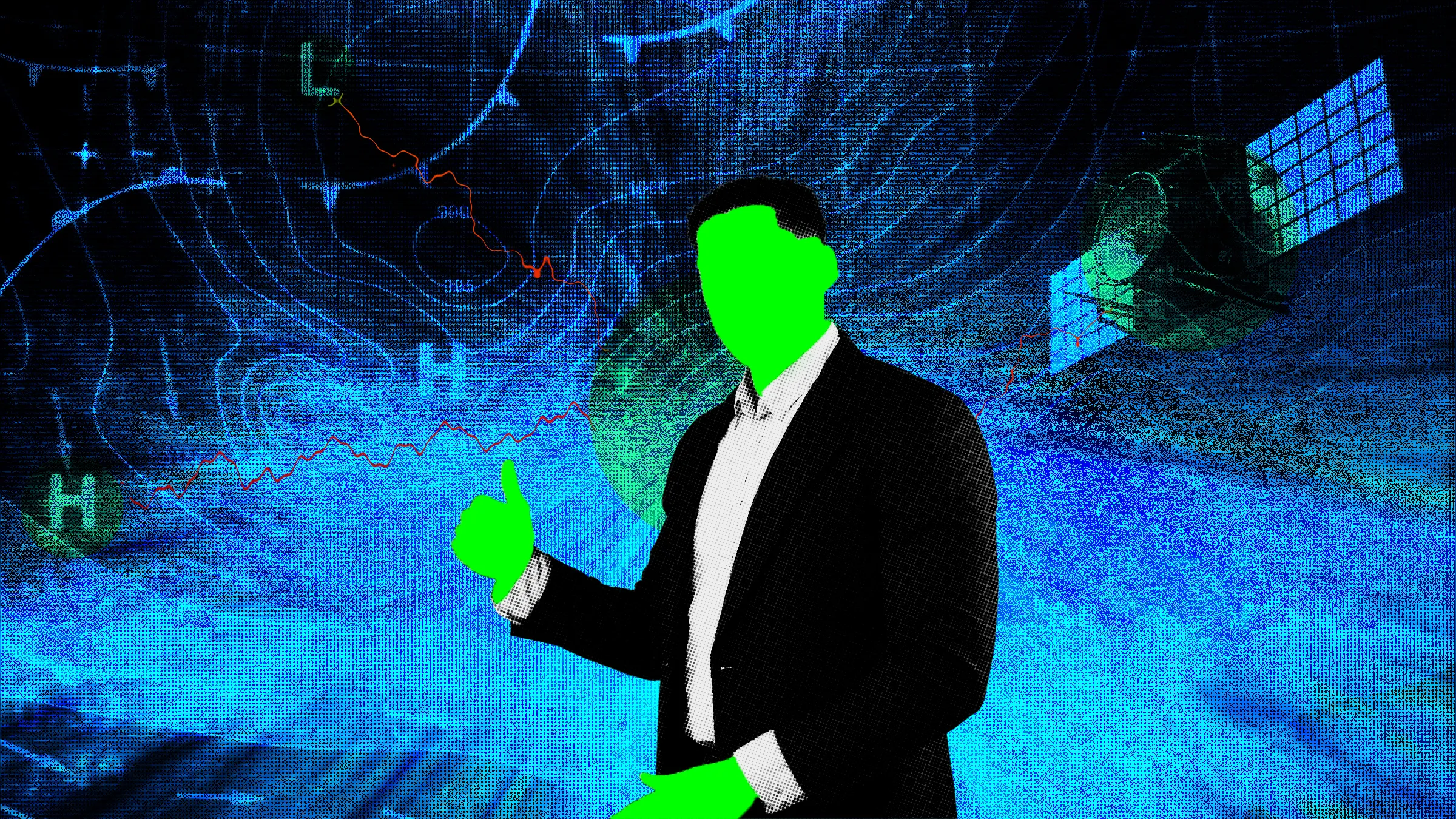
Storm Radar Introduces AI Weather Assistant
The updated Storm Radar app includes an AI Weather Assistant that allows users to customize forecast views and weather map layers, including radar, temperature, wind, and lightning data. The system can synchronize with calendar applications to provide contextual weather notifications tied to daily schedules.
Priced at $4 monthly on iOS with Android availability planned, the app sources data from the National Oceanic and Atmospheric Administration (NOAA) and National Weather Service. Senior meteorologist Joe Koval explained the service aims to eliminate the need for users to interpret disparate weather data elements themselves.
The app includes multiple voice personas designed to mimic television meteorologists, offering weather summaries in various presentation styles from vintage broadcasters to contemporary formats.
Machine Learning Reshapes Weather Prediction
Weather forecasting has undergone significant transformation through machine learning integration. Traditional weather prediction relies on government sources like NOAA collecting data from satellites, radar systems, weather balloons, and ground instruments. This information feeds into physics-based atmospheric simulation models typically run on supercomputers.
Machine learning models have reduced processing requirements while accelerating prediction generation, though sometimes with reduced accuracy that can be compensated through multi-model comparison. AI proves particularly effective in creating high-resolution maps and visual data representation.
Adam Grossman, former DarkSky founder who now operates Acme Weather, noted that machine learning represents the most significant change in weather forecasting in recent years. His current service focuses on communicating forecast uncertainty, addressing the inherent limitations of weather prediction.
Industry Landscape and Competition
Multiple weather applications now incorporate AI features beyond Storm Radar. Rainbow Weather positions itself as AI-first, while AccuWeather has launched integration directly within OpenAI's ChatGPT. Google and Apple have embedded AI insights into their native smartphone weather services.
Third-party options include Carrot Weather, Rain Viewer, and Acme Weather, each targeting different user preferences for data presentation and complexity levels. Storm Radar adopts a maximalist approach with extensive customization options, while other services prioritize simplified interfaces.
The competitive landscape reflects varying philosophies on AI integration. Grossman advocates for transparent AI implementation that surfaces relevant content without obvious chatbot interaction, questioning services that promote AI features primarily for marketing purposes.
Enterprise and Infrastructure Implications
The shift toward AI-powered weather services occurs amid reduced federal weather monitoring resources, with private companies increasingly handling data collection responsibilities. This transition affects forecast accuracy for extreme weather events and climate disasters, which are becoming more frequent.
For European teams building location-aware applications, the evolution of weather APIs toward AI-enhanced services presents both opportunities and dependencies on US-based data sources. Organizations integrating weather data should evaluate the balance between AI-enhanced insights and underlying forecast reliability.
The Weather Company's science-first approach emphasizes cross-referencing official warnings rather than allowing AI systems to independently assess weather risks, a model that may influence enterprise weather service procurement decisions.
Weather app development demonstrates how AI integration can enhance user experience while maintaining scientific accuracy, providing a template for other data-intensive applications serving consumer and business markets. Wired reported on this development as weather applications increasingly adopt artificial intelligence capabilities.
AI News Updates
Subscribe to our AI news digest
Weekly summaries of the latest AI news. Unsubscribe anytime.
More News
Other recent articles you might enjoy.




 Made in Europe
 Chat with 100+ AI Models in one App.
Use Claude, ChatGPT, Gemini alongside with EU-Hosted Models like Deepseek, GLM-5, Kimi K2.5 and many more.