AI News
Anthropic Claude Supply Chain Risk Appeal Creates Legal Uncertainty
US appeals court upholds Pentagon's supply chain risk designation for Anthropic Claude, contradicting lower court ruling and creating uncertainty for military AI deployment.
Source and methodology
This article is published by LLMBase as a sourced analysis of reporting or announcements from Wired .
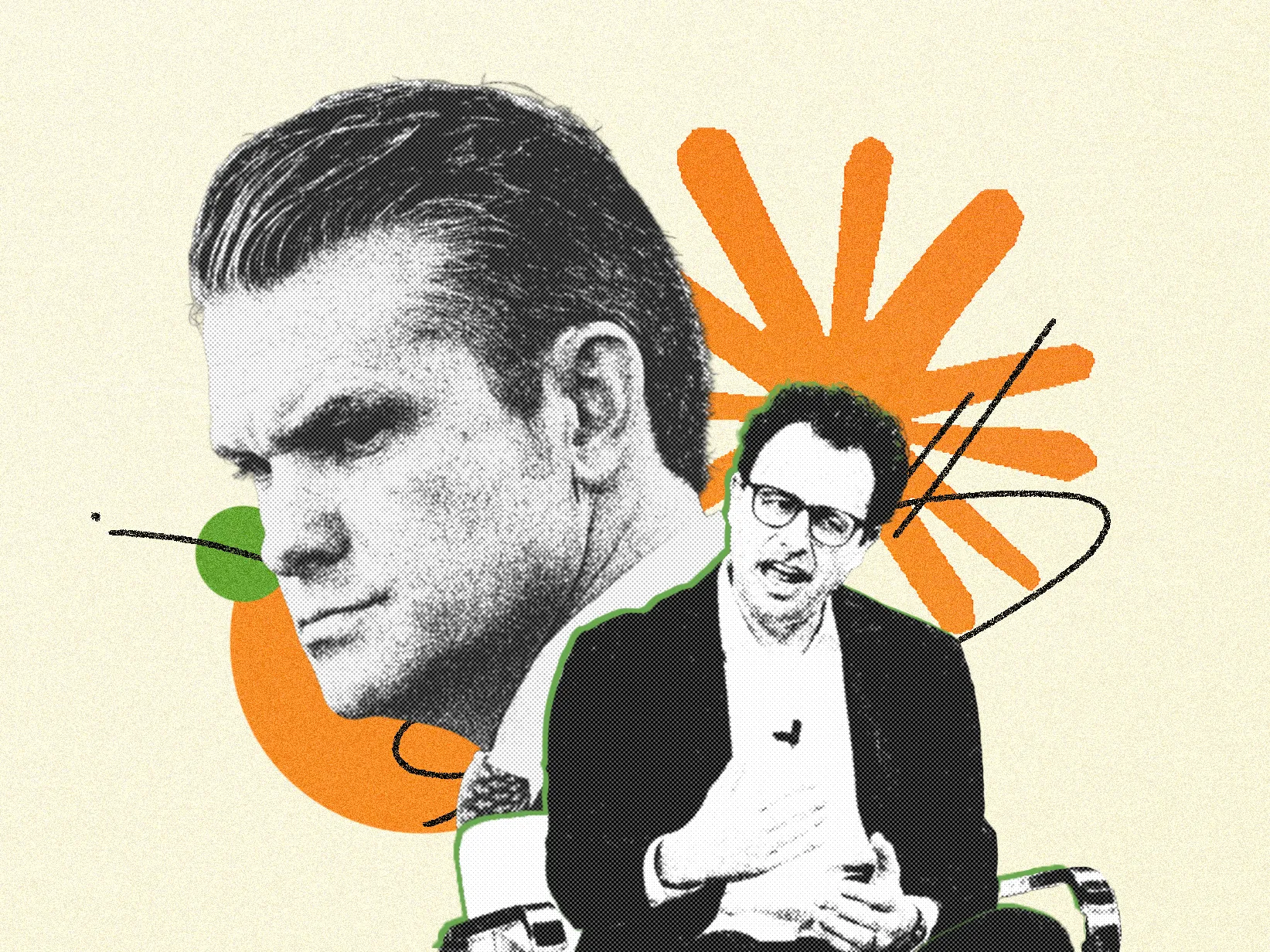
Appeals Court Maintains Pentagon Restrictions
The three-judge appellate panel in Washington DC ruled Wednesday that Anthropic "has not satisfied the stringent requirements" to temporarily remove its supply chain risk designation. The court emphasized concerns about imposing on military operations during what they described as "a significant ongoing military conflict," according to Wired's reporting.
The appeals court decision directly conflicts with a San Francisco federal judge's ruling last month, which found the Department of Defense likely acted in bad faith against Anthropic. The San Francisco court had ordered the supply chain risk label removed, and the Trump administration initially complied by restoring access to Claude throughout federal agencies.
Anthropic faces sanctions under two separate supply chain laws, with each court ruling on only one designation. The company says it is the first US business sanctioned under these laws, which typically target foreign entities deemed national security risks.
Military AI Procurement Under Scrutiny
The legal dispute centers on Anthropic's resistance to unrestricted military use of Claude, particularly for autonomous weapons operations. The San Francisco judge found evidence that Pentagon frustration with Anthropic's proposed usage limits and public criticism drove the designation decisions.
Anthropic has argued in court filings that Claude lacks the accuracy required for certain sensitive military applications, including lethal drone strikes without human supervision. Government contracting experts interviewed by Wired suggest the company has strong legal grounds, though courts often defer to executive branch national security determinations.
For European observers, the case highlights different approaches to AI governance. While the EU's AI Act establishes clear prohibited uses for high-risk AI systems, the US relies more heavily on agency discretion and post-hoc judicial review. The conflicting court decisions demonstrate the challenges of regulating military AI without established frameworks.
Implications for AI Vendors and Buyers
The legal uncertainty creates immediate operational challenges for both Anthropic and Pentagon AI teams. Government lawyers contend the designation bars military contractors from using Claude in defense projects, potentially forcing rapid transitions to competing models from OpenAI, Google DeepMind, or other providers.
For enterprise AI buyers, particularly those with government contracts, the case underscores risks around vendor concentration and compliance requirements. Organizations deploying Claude in regulated environments may need contingency plans if legal restrictions expand or change unpredictably.
The Pentagon has reportedly taken steps to prevent potential sabotage of Claude systems during any transition period, though details remain limited. This suggests ongoing concerns about vendor relationships and system integrity in critical applications.
Legal Timeline and Resolution Prospects
Final court decisions could take months, with the Washington DC court scheduling oral arguments for May 19. Until then, Anthropic remains caught between contradictory judicial orders while losing potential federal government revenue.
Anthropic spokesperson Danielle Cohen expressed confidence that courts will ultimately find the supply chain designations unlawful, but the company's federal market access depends on resolving both legal challenges successfully.
The case tests executive branch authority over technology company conduct and sets precedents for AI industry oversight. For builders and operators of AI systems, the Anthropic dispute illustrates how quickly regulatory environments can shift and the importance of compliance planning in government-adjacent markets. This report draws from Wired's coverage of the ongoing legal proceedings.
AI News Updates
Subscribe to our AI news digest
Weekly summaries of the latest AI news. Unsubscribe anytime.
More News
Other recent articles you might enjoy.


 Made in Europe
 Chat with 100+ AI Models in one App.
Use Claude, ChatGPT, Gemini alongside with EU-Hosted Models like Deepseek, GLM-5, Kimi K2.5 and many more.