AI News
Anthropic Pentagon Dispute: Judge Questions Department's Supply Chain Risk Designation
US district judge questions Pentagon's motivations for labeling Anthropic a supply-chain risk, calling it an 'attempt to cripple' the Claude AI developer during contract dispute hearings.
Source and methodology
This article is published by LLMBase as a sourced analysis of reporting or announcements from Wired .
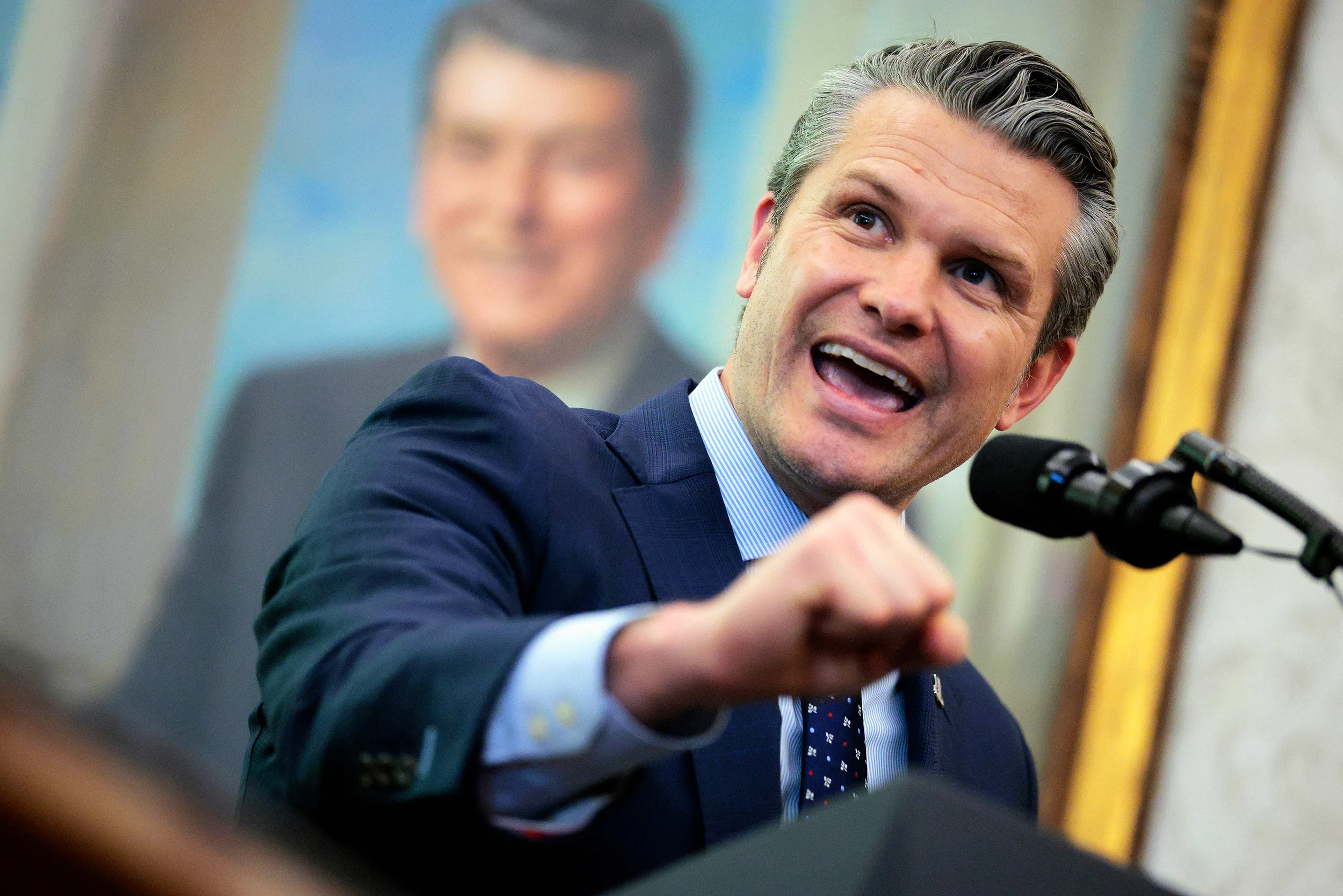
The legal dispute centers on the Trump administration's classification of Anthropic as a security risk after the company sought restrictions on military use of its AI models. Judge Lin indicated the Pentagon's actions may violate First Amendment protections by punishing the company for bringing public attention to their contract disagreement.
Pentagon's Legal Authority Under Scrutiny
Judge Lin questioned whether Defense Secretary Pete Hegseth had legal grounds for his broader directive restricting military contractors from any commercial dealings with Anthropic. The secretary's social media post stated that "no contractor, supplier, or partner that does business with the United States military may conduct any commercial activity with Anthropic," but government attorneys acknowledged in court that Hegseth lacks authority to ban contractors from using Anthropic for non-Pentagon work.
The supply-chain risk designation typically applies to foreign adversaries and hostile actors, making its use against a domestic AI company unusual. Lin described the measure as "powerful authority" and questioned whether the Pentagon considered less punitive alternatives before imposing the restriction.
Business Impact and Customer Concerns
Anthropic seeks a temporary injunction to pause the designation while litigation proceeds. The company argues the security label has spooked customers and threatens its commercial operations. European enterprises evaluating AI vendors should note how regulatory disputes can affect vendor stability, particularly for companies with government contracts.
The Pentagon plans to replace Anthropic's technology with alternatives from Google, OpenAI, and xAI over the coming months. This vendor diversification strategy reflects broader enterprise risk management practices when single suppliers face regulatory challenges.
Implications for AI Governance
The case highlights tensions between AI companies' ethical guidelines and government deployment requirements. Anthropic's attempt to limit military applications of Claude demonstrates how safety-focused AI developers navigate dual-use technology concerns. For European AI teams, this dispute illustrates the complexities of balancing commercial interests with governance principles.
The judge's criticism of the Pentagon's approach suggests courts may scrutinize government actions that appear to exceed stated national security concerns. Lin emphasized that while the Defense Secretary can choose vendors, broader punitive measures must comply with legal constraints.
What to Watch Next
Judge Lin's ruling on the temporary injunction is expected within days and will indicate whether Anthropic can successfully challenge government retaliation claims. A second case at the federal appeals court in Washington, DC, will also rule soon without hearings. These decisions will establish precedents for how AI companies can contest government restrictions and whether contract disputes justify supply-chain risk designations.
Wired reported the court proceedings and government attorney statements during Tuesday's federal hearing in San Francisco.
AI News Updates
Subscribe to our AI news digest
Weekly summaries of the latest AI news. Unsubscribe anytime.
More News
Other recent articles you might enjoy.



 Made in Europe
 Chat with 100+ AI Models in one App.
Use Claude, ChatGPT, Gemini alongside with EU-Hosted Models like Deepseek, GLM-5, Kimi K2.5 and many more.