AI News
Button AI Wearable From Ex-Apple Engineers Targets Privacy-First Voice Interaction
Former Apple Vision Pro developers launch Button AI wearable with tap-to-activate privacy model, competing against always-listening AI devices with $179 hardware shipping December 2024.
Source and methodology
This article is published by LLMBase as a sourced analysis of reporting or announcements from Wired .
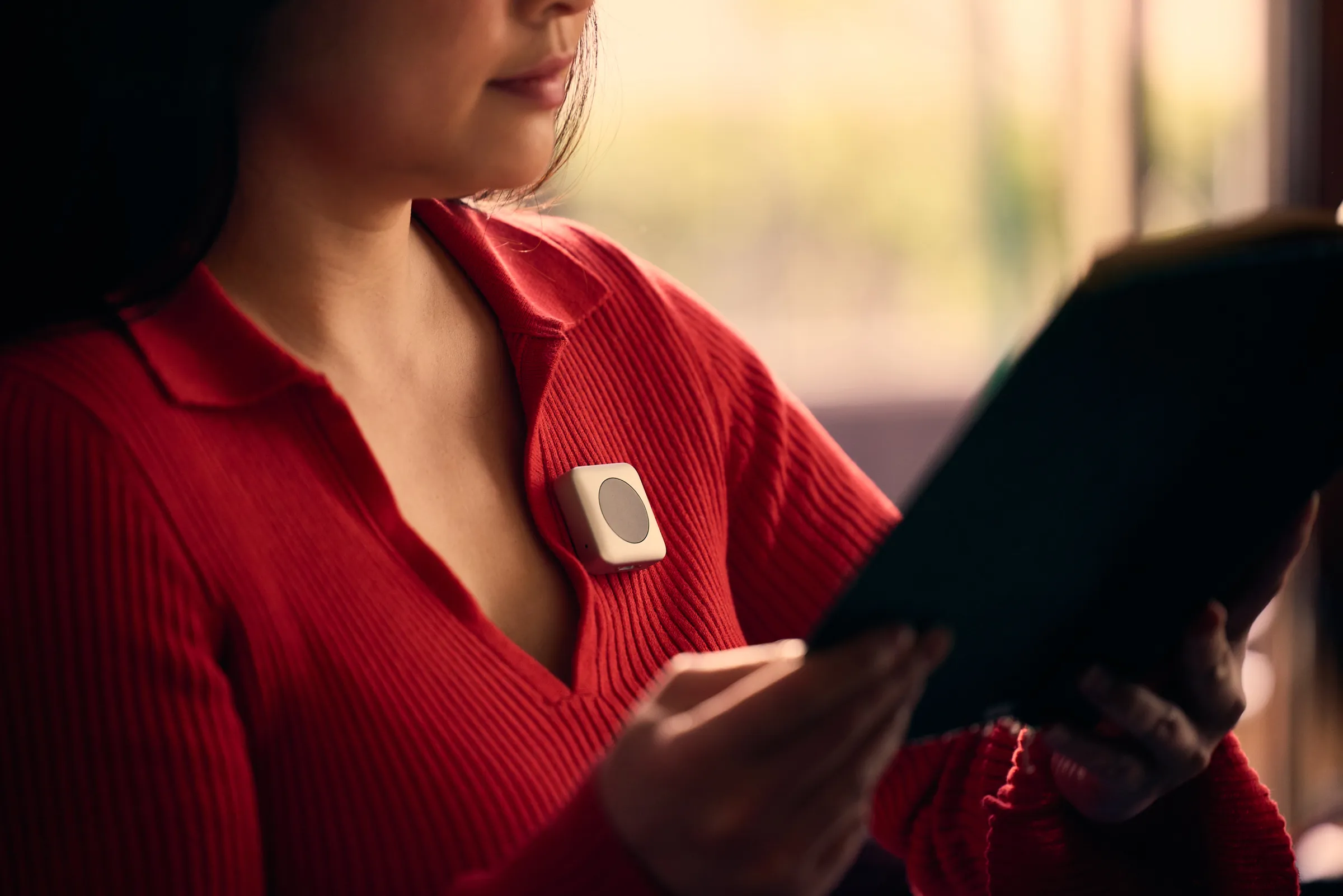
The Button AI wearable deliberately resembles an iPod Shuffle in its brushed aluminum design, housing a generative AI chatbot that responds to voice queries only when the button is pressed. The device connects via Bluetooth to earbuds or smart glasses and promises near-instantaneous response times compared to previous AI hardware failures.
Privacy-First Design Differentiates From Market Failures
The Button AI wearable's tap-to-activate model directly addresses privacy concerns that have plagued other AI hardware launches. Nolet cited a personal experience with unknowing conversation recording as motivation for the privacy-focused approach, contrasting with always-listening devices like the Friend necklace or passive recording wearables.
The device targets enterprise and consumer users who want AI assistance without continuous audio monitoring. This positioning could appeal to European markets where GDPR compliance and data protection regulations create additional scrutiny for always-listening devices in workplace environments.
The Button competes against the failed Humane AI Pin, which shut down in 2024 after poor market reception, slow response times, and usability issues. Unlike the AI Pin's smartphone replacement ambitions, the Button positions itself as a complementary device focused on voice interaction efficiency.
Technical Performance and Market Positioning
Wired's testing showed the Button AI wearable delivering responses within one second of queries, addressing the performance issues that plagued previous AI hardware. The device supports immediate interruption by pressing the button again, allowing users to cut off unwanted responses quickly.
The hardware leverages existing AI software infrastructure rather than building proprietary ecosystems, which Nolet described as learning from VR market struggles where companies attempted simultaneous hardware and software innovation. This approach reduces development complexity but may limit differentiation from smartphone-based AI assistants.
The $179 price point positions the Button below premium smartphone accessories while remaining accessible for enterprise pilot programs. However, the device still requires smartphone connectivity for full functionality, limiting its independence compared to standalone AI hardware concepts.
Enterprise and Builder Implications
For enterprise buyers, the Button AI wearable offers a controlled AI interaction model that could simplify compliance with data protection regulations. The tap-to-activate design creates clear audit trails for when AI systems process audio, addressing governance concerns in regulated industries.
Developers and operators gain access to a dedicated AI hardware platform without building custom wearable solutions, though the device's reliance on existing AI models limits customization options. The Bluetooth connectivity enables integration with existing enterprise communication systems and smart glasses deployments.
The Button's success will depend on whether dedicated AI hardware provides sufficient value over smartphone-based alternatives, especially as voice assistants become more capable and responsive on existing devices. Wired reports the device as available for preorder with December shipping, positioning it as a test case for privacy-focused AI wearables in a market where previous attempts have struggled to find sustainable adoption.
AI News Updates
Subscribe to our AI news digest
Weekly summaries of the latest AI news. Unsubscribe anytime.
More News
Other recent articles you might enjoy.




 Made in Europe
 Chat with 100+ AI Models in one App.
Use Claude, ChatGPT, Gemini alongside with EU-Hosted Models like Deepseek, GLM-5, Kimi K2.5 and many more.