AI News
Google AI Mode Self-Citations Increase Three-Fold as Internal Links Dominate Search Results
Google's AI Mode now directs 17% of citations back to Google services, with YouTube as second most-cited source, raising concerns about publisher traffic and market concentration.
Source and methodology
This article is published by LLMBase as a sourced analysis of reporting or announcements from Wired .
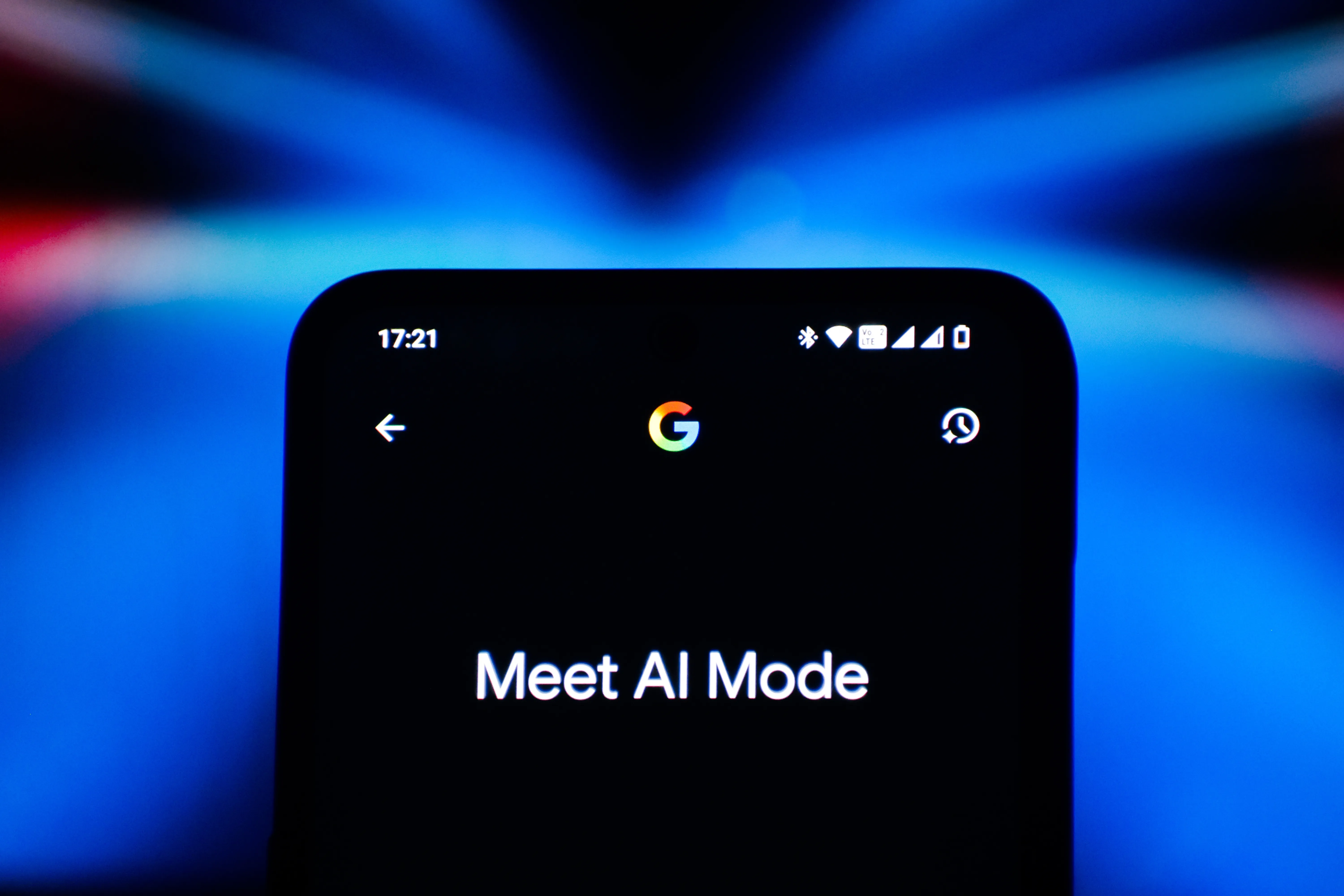
Citation Analysis Reveals Internal Link Preference
SE Ranking's study examined hyperlinks within Google AI Mode responses and found Google.com has become the most commonly linked destination. YouTube, also owned by Google, ranks as the second most-cited website in AI Mode outputs.
The pattern becomes more pronounced in specific categories. Entertainment and travel queries show approximately 50% of citations returning users to Google search results rather than directing them to external sources. When testing queries about upcoming events like award ceremonies, researchers found all 17 hyperlinks in one AI Mode response led back to Google results displayed in sidebars.
Mordy Oberstein, head of brand at SE Ranking, noted the circular user experience: "Even if you're saying that people click on those citations all the time, well, there's nothing to click on, because it just takes you to another Google result."
Publisher Traffic Implications for European Markets
The shift toward self-referential citations affects publishers who have built traffic strategies around Google Search visibility. For European publishers operating under GDPR constraints and serving multilingual audiences, reduced organic traffic from AI-powered search tools compounds existing challenges in audience acquisition and retention.
Google's response through a company spokesperson characterized the internal links as "shortcuts to help people explore likely follow-up questions" rather than replacements for web links. The company compared these features to existing search elements like "People also ask" boxes.
Danny Goodwin, editorial director of Search Engine Land, described the pattern as part of an ongoing trend where Google increasingly features its own outputs. The circular linking creates user frustration when queries remain unanswered despite multiple clicks through Google's internal systems.
Competitive Dynamics and Revenue Implications
Rand Fishkin from SparkToro characterized the development as part of a broader shift toward "zero-click" web experiences where platforms retain traffic rather than distributing it to external sources. This approach benefits Google's advertising revenue model by keeping users within its ecosystem for extended periods.
The monetization strategy differs from approaches taken by other AI companies. OpenAI has established partnership deals with publishers, including arrangements with major media companies, to compensate content sources that appear in chatbot results. Google maintains some agreements with news publishers but does not appear to compensate websites for inclusion in AI Overviews or AI Mode citations.
Technical Infrastructure and Market Access
For European AI teams and enterprise buyers evaluating search integration options, Google's self-citation pattern represents a concentration risk in information access workflows. Organizations building applications that rely on diverse source citation may need to consider alternative search APIs or hybrid approaches that combine multiple providers.
The technical implementation shows Google treating AI Mode citations as navigational aids rather than source attribution, which affects how development teams should architect systems that depend on external content discovery through AI search interfaces.
Google AI Mode's increasing self-referential behavior reflects broader questions about platform control over information distribution and the sustainability of publisher business models in AI-mediated search environments. Wired reported on this analysis of Google's citation patterns and their implications for web traffic distribution.
AI News Updates
Subscribe to our AI news digest
Weekly summaries of the latest AI news. Unsubscribe anytime.
More News
Other recent articles you might enjoy.


 Made in Europe
 Chat with 100+ AI Models in one App.
Use Claude, ChatGPT, Gemini alongside with EU-Hosted Models like Deepseek, GLM-5, Kimi K2.5 and many more.